Introduction to Glider Launch Systems

Glider launch systems are critical components in the sport of model rocketry, particularly for boost-glide events and competitions. Understanding these systems is essential for anyone looking to participate in or advance their skills in this exciting field. Launch systems must provide the necessary altitude and velocity for gliders to transition from powered flight to stable gliding, ensuring both successful missions and safe operations.
The complexity of glider launch systems varies significantly depending on the specific event, glider design, and competition requirements. From simple launch rods to sophisticated tower systems with integrated propulsion mechanisms, each configuration offers unique advantages and challenges. In this comprehensive guide, we’ll explore the fundamental principles, components, and operational considerations that define effective glider launch systems.
Whether you’re a beginner entering your first boost-glide competition or an experienced competitor seeking to optimize your equipment, understanding the purpose, function, and proper use of ground support equipment is paramount. This knowledge ensures not only successful flights but also promotes safety and adherence to competition regulations.
Purpose and Function of Ground Support Equipment
Ground support equipment (GSE) for glider launches serves multiple critical functions that directly impact flight success and safety. The primary purpose of this equipment is to provide a stable, reliable platform for launching gliders to their required altitude with sufficient velocity for a successful transition to glide.
The fundamental functions of glider GSE can be categorized into several key areas:
- Initial Acceleration: Providing the necessary thrust or mechanical force to propel the glider from rest to flight speed.
- Vertical Guidance: Ensuring the glider follows a straight, predictable path during the initial launch phase.
- Structural Support: Maintaining the integrity of the launch system under the forces generated during launch.
- Safety Containment: Minimizing the risk of injury or damage from failed launches or equipment malfunctions.
Modern glider launch systems must balance these functions while meeting specific performance requirements. For instance, in competition settings, the equipment must be portable enough for field deployment yet robust enough to handle repeated launches under varying environmental conditions.
The specific function of GSE components can vary significantly between different launch methods. Tower systems, for example, may utilize mechanical release mechanisms, while rail systems often depend on the rocket motor’s thrust for initial acceleration. Understanding these functional differences is crucial for selecting appropriate equipment and developing effective operational procedures.
An often-overlooked aspect of GSE function is its role in supporting consistent flight profiles. High-performance gliders require precise launch conditions to achieve optimal glide performance. This consistency is only possible through well-designed, properly maintained ground support equipment that minimizes launch variability.
Additionally, ground support equipment must facilitate efficient launch operations. This includes features that allow for rapid setup, quick turnaround between flights, and easy transport to and from the launch site. In competition environments where multiple attempts may be necessary, equipment that streamlines these processes can provide a significant advantage.
Overview of Tower and Pad Configurations
Glider launch systems primarily fall into two broad categories: tower configurations and pad configurations. Each offers distinct advantages and challenges that must be carefully considered based on specific operational requirements, environmental conditions, and performance objectives.
Tower Configurations
Tower launch systems represent one of the most sophisticated approaches to glider launching, particularly for competition and high-performance applications. These systems typically consist of a vertical support structure with integrated launch mechanisms designed to guide the glider through its initial acceleration phase.
The primary advantage of tower systems lies in their ability to provide extremely stable, vertical launches with minimal lateral movement. This precision is critical for gliders that require specific orientation or velocity vectors for successful transition to glide. Tower systems are particularly beneficial for complex glider designs with delicate aerodynamic features that could be compromised by lateral forces during launch.
Tower configurations vary significantly in complexity and capability. Simple tower systems may consist of a basic vertical rail or guide rod, while advanced systems can include sophisticated release mechanisms, integrated propulsion systems, and computer-controlled launch sequences. The choice of tower configuration often depends on the specific glider design, required launch parameters, and operational environment.
One of the key considerations with tower systems is portability. While they offer excellent performance characteristics, larger and more complex towers can be challenging to transport and assemble in field conditions. Modern designs have addressed this challenge through modular construction, lightweight materials, and innovative folding mechanisms that facilitate easier transport and deployment.
Pad Configurations
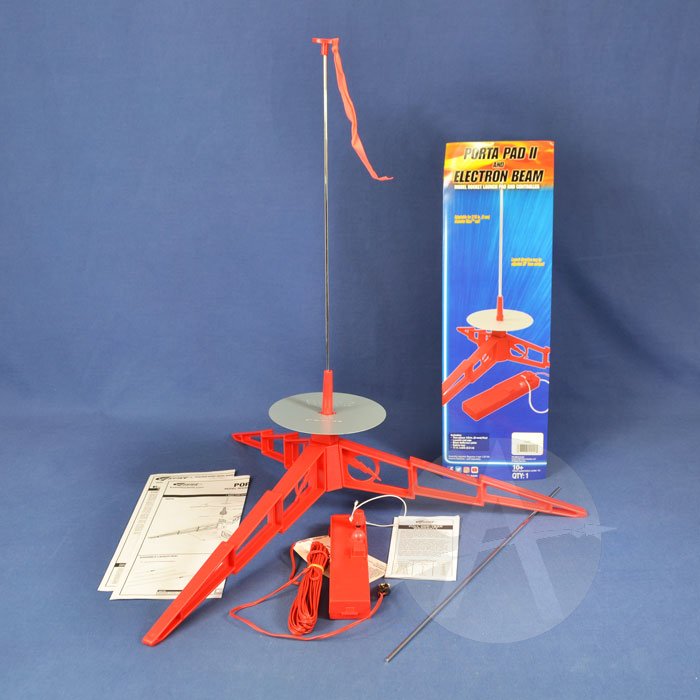
Pad configurations represent the most common approach to glider launching, particularly for entry-level and intermediate applications. These systems typically utilize a horizontal or inclined launch surface with guide rails or rods that direct the glider during initial acceleration.
The fundamental advantage of pad systems lies in their simplicity and versatility. Basic launch pads can be quickly assembled from readily available materials, making them an attractive option for educational programs, casual flying, and budget-conscious enthusiasts. More sophisticated pad systems incorporate features such as adjustable incline angles, integrated wind protection, and specialized guide mechanisms for specific glider types.
Pad configurations offer excellent portability, with many systems designed to be easily transported and assembled by a single person. This characteristic makes them particularly suitable for field operations where access is limited or conditions are challenging. Additionally, pad systems can often be adapted for multiple glider types with minimal modification, providing operational flexibility.
Despite their advantages, pad configurations do have limitations. They typically provide less precise launch guidance compared to tower systems, which can result in greater variability in flight profiles. Environmental factors such as wind can have a more pronounced effect on pad-launched gliders, requiring additional operational considerations and potentially limiting launch windows.
The choice between tower and pad configurations ultimately depends on specific mission requirements, available resources, and operational constraints. Many serious competitors maintain both types of systems to address different scenarios and maximize their operational flexibility.
Comparative Analysis of Launch Systems
Understanding the comparative advantages and limitations of different launch system configurations is essential for making informed equipment decisions. This analysis should consider factors such as performance requirements, operational constraints, budget considerations, and skill level of the operators.
Performance Considerations
Performance evaluation should focus on key metrics such as launch consistency, achievable altitude, velocity control, and transition success rates. Tower systems generally excel in consistency and precision, making them preferred choices for high-stakes competitions where repeatable performance is critical.
Pad systems, while typically less precise than tower configurations, can achieve comparable performance with proper design and operation. The key lies in understanding the specific requirements of the glider being launched and matching the launch system capabilities accordingly.
Operational Factors
Operational considerations include setup time, transport requirements, environmental adaptability, and maintenance needs. Pad systems generally offer advantages in terms of rapid deployment and minimal setup requirements, while tower systems may require more extensive preparation and calibration.
Environmental factors such as wind, terrain limitations, and available launch space can significantly influence the practicality of different system configurations. Operators must carefully evaluate these factors when selecting equipment for specific missions or competitions.
Cost and Complexity
Budget considerations play a significant role in launch system selection. Basic pad systems can be constructed from relatively inexpensive materials, while sophisticated tower systems represent substantial investments in specialized components and engineering.
Complexity also affects operational requirements, including training needs, maintenance demands, and potential for equipment failure. Simpler systems generally offer greater reliability and easier troubleshooting, while complex systems may provide superior performance but require higher skill levels for effective operation.
Safety and Regulatory Compliance
Safety considerations are paramount in all aspects of glider launching operations. Ground support equipment must be designed, maintained, and operated with strict adherence to safety protocols and regulatory requirements.
Proper safety practices begin with comprehensive equipment inspection and maintenance procedures. All components must be regularly checked for wear, damage, or deterioration that could compromise structural integrity or operational reliability. This includes both static components such as support structures and dynamic elements such as release mechanisms.
Operator training is equally critical to safe operations. All personnel involved in launch operations must be thoroughly familiar with equipment operation, emergency procedures, and safety protocols. This training should be regularly updated and reinforced through practice and review.
Regulatory compliance requirements vary by jurisdiction and application type. Competition launches typically must meet specific safety standards established by sanctioning organizations, while experimental or research flights may have different requirements. Operators must ensure their equipment and procedures meet all applicable regulations before conducting any launches.




Post Comment