Types of Launch Pad Systems – Launch Gear & Equipment
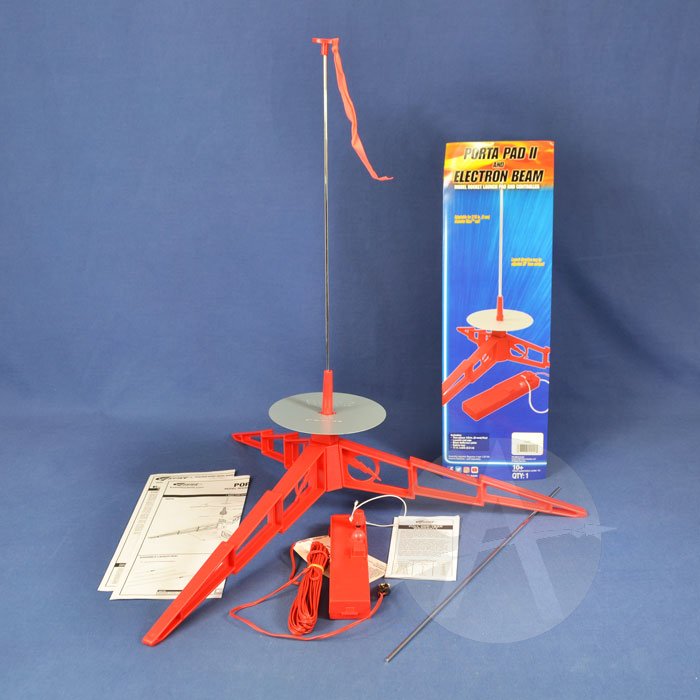
Launch pad systems represent the most widely used approach to glider launching, offering versatility, portability, and cost-effectiveness for a broad range of applications. Understanding the different types of launch pad systems is essential for selecting the appropriate equipment for specific glider designs, operational requirements, and performance objectives.
Unlike tower systems that provide vertical guidance through a fixed structure, launch pad systems utilize various configurations of guide rails, launch rods, and support structures to direct gliders during their initial acceleration phase. Each type of pad system offers distinct advantages and limitations that must be carefully considered when making equipment selections.
The evolution of launch pad systems has been driven by the need to balance performance requirements with practical considerations such as portability, cost, and ease of operation. Modern pad systems incorporate advanced materials, innovative design features, and refined operational procedures that significantly improve performance compared to early implementations.
Basic Launch Rods and Rails
Basic launch rods and rails represent the simplest and most accessible form of glider launch systems. These systems utilize straight guide elements to provide directional control during the initial launch phase, relying primarily on the rocket motor’s thrust for acceleration.
Launch Rod Systems
Launch rod systems employ a single, straight guide rod that passes through a launch lug or guide hole on the glider. This configuration provides basic directional control while allowing for simple construction and operation. The diameter and material of the launch rod must be carefully matched to the glider’s launch lug to ensure smooth operation without excessive play or binding.
Steel launch rods remain the most common choice due to their excellent strength-to-cost ratio and availability in standard sizes. High-carbon steel or chrome-molybdenum alloys are typically used for their combination of strength, wear resistance, and machinability. The surface finish of the rod is critical for smooth glider travel and should be polished or ground to minimize friction.
Aluminum launch rods offer weight savings but require larger diameters to achieve equivalent strength, which may not be compatible with standard launch lugs. Composite materials such as fiberglass or carbon fiber provide excellent strength-to-weight ratios but may be more expensive and require specialized manufacturing techniques.
Effective launch rod design requires attention to several critical factors:
- Diameter selection to match standard launch lugs (typically 3/16″ or 1/4″)
- Length requirements based on glider length and launch dynamics
- Surface finish specifications to minimize friction and wear
- Support structure design to maintain rod alignment under launch loads
- End treatments to prevent glider damage during launch
Rail Launch Systems
Rail launch systems utilize two or more parallel guide elements that engage the glider through dedicated guide mechanisms. These systems offer improved stability compared to single-rod configurations and can accommodate larger gliders or those with non-standard launch lugs.
The fundamental advantage of rail systems lies in their ability to constrain glider movement in multiple directions while maintaining guidance throughout the launch stroke. This control is particularly beneficial for gliders with complex aerodynamic features or those requiring precise initial orientation.
Commercial rail systems typically utilize aluminum extrusions with T-slot profiles that accommodate standard mounting hardware and accessories. These extrusions are available in various sizes and configurations, allowing for modular system construction that can be adapted to specific requirements.
Custom rail systems can be fabricated from steel, aluminum, or composite materials to meet specialized requirements. These systems offer maximum flexibility in terms of dimensions and features but require more engineering expertise and fabrication resources.
Support Structure Integration
The support structure for launch rod and rail systems must maintain precise alignment while withstanding the forces generated during launch operations. This requirement becomes more challenging as launch velocities increase or glider weights grow.
Tripod configurations are common for portable launch systems, providing excellent stability with minimal ground contact area. The legs of these tripods are typically adjustable to accommodate uneven terrain and can be equipped with spike ends for soft ground or pad feet for hard surfaces.
A-frame configurations offer an alternative approach that can provide excellent stability with fewer ground contact points. These systems are particularly effective when used with longer guide elements, as the triangular structure inherently resists torsional loads.
Fixed installations may utilize concrete pads or permanent foundations to provide maximum stability for high-performance applications. These systems sacrifice portability for improved performance and can incorporate features such as motorized elevation adjustment or environmental protection.
Tower Launchers
Tower launchers represent a hybrid approach that combines the portability advantages of pad systems with some of the precision benefits of fixed tower systems. These systems utilize a vertical tower structure integrated with a ground-based support platform to provide improved launch guidance compared to basic rod or rail systems.
Design Philosophy
The design philosophy behind tower launchers centers on providing improved vertical guidance while maintaining the operational simplicity and portability of pad systems. This approach typically involves a lightweight tower structure that can be rapidly deployed and aligned without extensive setup procedures.
Height considerations for tower launchers must balance guidance benefits with practical constraints. Towers that are too short provide minimal improvement over pad systems, while excessively tall towers create stability and transport challenges. Most effective tower launcher systems range from 6 to 12 feet in height.
Weight optimization is critical for tower launcher portability. Modern systems utilize aluminum alloys, composite materials, and innovative structural designs to minimize weight while maintaining required stiffness and strength. Quick-disconnect mechanisms allow for rapid assembly and disassembly in the field.
Guidance Mechanisms
Tower launcher guidance mechanisms typically combine vertical tower elements with horizontal pad components to provide comprehensive launch control. The vertical tower element may incorporate guide rails, rods, or specialized guidance features depending on the specific application.
The transition from horizontal pad to vertical tower guidance requires careful design to ensure smooth glider travel without binding or misalignment. This transition zone often represents the most critical aspect of tower launcher design and requires precision manufacturing and assembly.
Some advanced tower launcher systems incorporate adjustable guidance elements that can be configured for different glider types or launch requirements. These systems offer improved versatility but require more complex mechanisms and potentially longer setup times.
Operational Advantages
Tower launchers offer several operational advantages over basic pad systems, particularly for precision applications. These advantages include improved launch consistency, reduced sensitivity to wind effects, and enhanced safety through better control of launch trajectories.
The vertical guidance provided by tower launchers can significantly improve launch success rates for gliders that are sensitive to initial launch conditions. This improvement is particularly noticeable in competition environments where consistent performance is critical.
Safety considerations favor tower launchers in many scenarios, as the improved trajectory control reduces the risk of errant launches that could endanger personnel or property. The vertical launch orientation also simplifies range safety procedures and reduces the required safety zone area.
Piston Launchers for Boost-Gliders
Piston launchers represent the most sophisticated category of launch pad systems, incorporating mechanical propulsion mechanisms to accelerate gliders to launch velocity. These systems offer superior performance compared to motor-thrust-only approaches but require significantly more complexity and investment.
Pneumatic Piston Systems
Pneumatic piston systems utilize compressed gas to generate linear thrust for glider acceleration. These systems can provide extremely smooth acceleration profiles and precise control over launch parameters, making them ideal for high-performance applications.
Compressed air systems are the most common form of pneumatic propulsion, utilizing high-pressure storage tanks and precision regulators to control operating parameters. These systems require careful attention to pressure vessel safety requirements and regular inspection of critical components.
High-pressure pneumatic systems can achieve significant thrust levels but require specialized components and rigorous safety protocols. Operating pressures typically range from 3000 to 6000 PSI, requiring components designed for these pressure levels and regular inspection for fatigue or damage.
Control systems for pneumatic pistons must provide precise regulation of pressure, flow, and timing to achieve optimal launch profiles. Modern systems often incorporate electronic controls with feedback sensors to monitor and adjust operating parameters in real-time.
Hydraulic Propulsion Systems
Hydraulic systems offer alternative approaches to glider propulsion, utilizing liquid media to generate thrust. These systems can provide extremely smooth acceleration profiles and precise control over launch parameters but require more complex sealing and fluid management systems.
Hydraulic systems typically utilize specialized fluids with specific viscosity and temperature characteristics. These fluids must be compatible with system components and maintained at appropriate conditions to ensure reliable operation.
Sealing systems for hydraulic propulsion represent critical design considerations, as any leakage can compromise system performance and create safety hazards. Modern systems utilize multiple sealing elements and pressure monitoring to detect and prevent leakage.
Performance Characteristics
Piston launchers can achieve launch velocities significantly higher than those possible with motor thrust alone, particularly for heavier gliders or those with high drag characteristics. This performance advantage enables a broader range of glider designs and mission profiles.
Acceleration profile control allows piston launchers to optimize launch conditions for specific glider characteristics. This optimization can reduce structural loads during launch while achieving required velocity targets, extending glider service life and improving reliability.
Energy efficiency considerations favor piston launchers in high-volume operations, as the mechanical energy can be recovered and reused in regenerative systems. This efficiency becomes increasingly important for commercial or educational operations with frequent launch requirements.
Selection Criteria and Application Matching
Selecting the appropriate launch pad system requires careful consideration of multiple factors including performance requirements, operational constraints, budget limitations, and user expertise. Each system type offers distinct advantages for specific applications, and optimal selection depends on matching system capabilities with mission requirements.
Performance Requirements Analysis
Performance requirements should be clearly defined before beginning system selection. Critical parameters include required launch velocity, acceptable launch variability, maximum glider weight, and specific guidance requirements. These parameters directly influence the suitability of different system types.
Required launch velocity often represents the primary driver for system selection. Basic rod systems may be adequate for lightweight gliders with low velocity requirements, while piston launchers may be necessary for heavy or high-performance gliders requiring substantial acceleration.
Launch consistency requirements vary significantly between applications. Educational or casual flying may tolerate significant variability, while competition or research applications demand extremely consistent performance. This requirement directly influences the complexity and cost of suitable launch systems.
Operational Constraints
Operational constraints include factors such as field accessibility, transportation requirements, setup time limitations, and environmental conditions. These constraints often favor simpler, more portable systems even when higher performance might be beneficial.
Transportation requirements can significantly influence system selection, particularly for mobile operations or those involving air travel. Systems that can be transported as standard baggage or fit within vehicle cargo areas offer substantial operational advantages.
Setup time constraints become critical for competition or event operations where multiple launches may be required within limited time windows. Systems requiring minimal setup time and simple alignment procedures can provide significant operational advantages in these scenarios.
Budget and Resource Considerations
Budget considerations extend beyond initial equipment costs to include ongoing maintenance, consumables, and potential upgrade requirements. Basic rod systems offer extremely low initial costs but may require more frequent replacement or maintenance.
Sophisticated systems such as piston launchers require substantial initial investment but may offer lower operating costs through improved efficiency and reduced consumable requirements. These systems also typically require more specialized maintenance and operational expertise.
Training and support requirements should be considered when evaluating system options. More complex systems require greater operator expertise and may necessitate specialized training or technical support, adding to overall system costs.





Post Comment