Understanding NARAM Contest Categories – Competition & Contest Flying
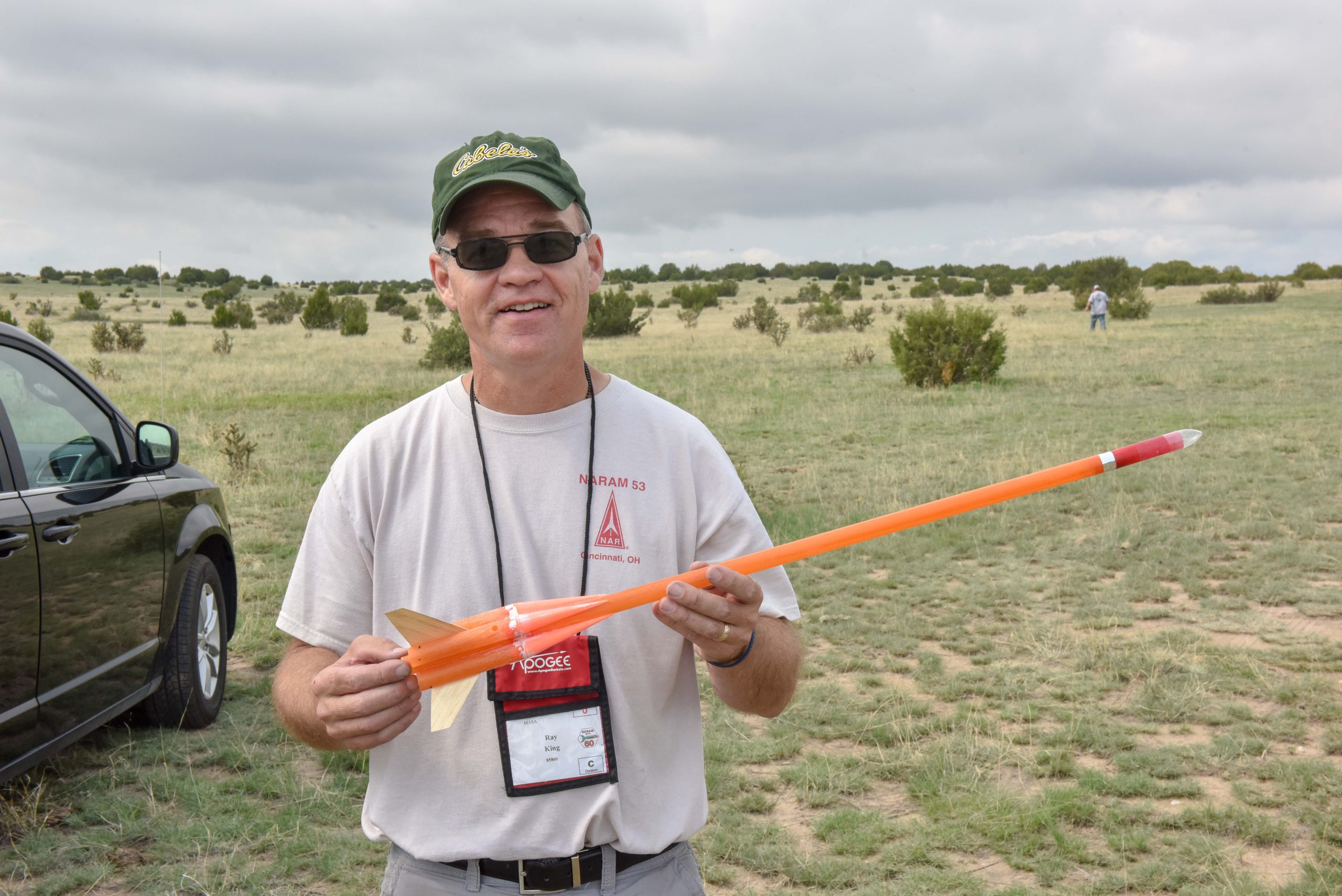
The National Association of Rocketry (NAR) Annual Meet (NARAM) represents the pinnacle of model rocket competition in North America, bringing together enthusiasts from across the continent to compete in a wide variety of challenging events. Understanding the diverse contest categories available at NARAM is essential for newcomers seeking to participate and veterans looking to expand their competitive repertoire.
NARAM contests offer something for every level of rocketeer, from beginners making their first competitive flights to experienced competitors pushing the boundaries of what is possible with model rocket technology. The variety of events ensures that competitors can find challenges that match their interests, skills, and equipment capabilities.
Success at NARAM requires more than just technical skill; it demands strategic thinking, careful preparation, and thorough understanding of event rules and judging criteria. This comprehensive understanding enables competitors to maximize their chances of success while ensuring safe and fair competition for all participants.
Duration, Altitude, and Scale Events
NARAM contest categories can be broadly grouped into three main types: duration events that emphasize maximum flight time, altitude events that focus on achieving maximum height, and scale events that celebrate accurate representation of real aerospace vehicles. Each category presents unique challenges and requires specific design approaches and flying techniques.
Duration Events
Duration events challenge competitors to maximize the time their rockets remain airborne, from launch to recovery system deployment. These events require careful optimization of aerodynamic design, weight distribution, and recovery system selection to achieve the longest possible flight time within specified constraints.
Parachute and streamer duration events are among the most accessible for newcomers, offering straightforward objectives while still providing significant engineering challenges. Success in these events requires understanding of drag principles, recovery system dynamics, and atmospheric conditions that affect flight performance.
Boost-glide duration events combine the precision of powered flight with the artistry of unpowered gliding to achieve maximum total flight time. These events challenge competitors to optimize both boost and glide phases while ensuring reliable transition between the two flight modes.
Focus on minimizing sink rate during the unpowered portion of flight through careful wing design and flight trim optimization. Even small improvements in lift-to-drag ratio can provide significant advantages in duration events.
Altitude Events
Altitude events challenge competitors to achieve maximum altitude using specific motor classes or vehicle configurations. These events require optimization of thrust-to-weight ratios, aerodynamic efficiency, and structural design to maximize energy conversion from motor impulse to gravitational potential energy.
Altitude payload events add the challenge of carrying specified payloads to maximum altitude, requiring careful balance between payload mass and vehicle performance. Success in these events often depends on innovative structural designs and efficient propulsion systems.
Multi-stage altitude events increase complexity by requiring reliable staging sequences and coordinated deployment of multiple recovery systems. These events test competitors’ understanding of staging dynamics and system integration.
Scale Events
Scale events celebrate accurate representation of real aerospace vehicles, combining technical precision with aesthetic appeal. These events require extensive research, precise construction techniques, and attention to detail that goes beyond simple performance optimization.
Static scale events focus on visual accuracy and craftsmanship, judging models on their resemblance to full-scale vehicles and quality of construction. These events require skills in research, materials selection, and finishing techniques that may be different from those used in flying events.
Flying scale events combine visual accuracy with flight performance, requiring models to both look like their full-scale counterparts and fly in a representative manner. These events present unique challenges in balancing scale accuracy with flight requirements.
Choosing Events that Match Your Skills
Selecting appropriate contest events is crucial for both competitive success and personal enjoyment at NARAM. Newcomers should start with events that match their current skill level while providing opportunities for growth, while experienced competitors can challenge themselves with more demanding categories.
Skill Level Assessment
Technical skills assessment should consider construction abilities, engineering knowledge, and flight experience when selecting appropriate events. Beginners may find success with simpler duration or altitude events, while experienced builders can tackle complex scale or multi-stage challenges.
Equipment capabilities affect event selection by determining which motor classes and vehicle configurations are available. Competitors should evaluate their existing equipment and budget for new components when planning event participation.
Time and resource availability influence event selection by affecting preparation requirements and recovery logistics. Some events require extensive pre-contest testing and multiple vehicles, while others can be approached with minimal preparation.
Start with one or two events that match your current capabilities and gradually expand to more challenging categories as experience grows. This approach builds confidence while developing the skills needed for advanced competition.
Interest and Motivation Factors
Personal interests should guide event selection to ensure continued motivation and enjoyment throughout the competition process. Competitors who are passionate about specific aspects of rocketry are more likely to invest the necessary time and effort for success.
Learning objectives affect event selection by determining which skills and knowledge areas will be developed through participation. Competitors seeking to expand their expertise should choose events that challenge them in new areas.
Social aspects of different events can influence enjoyment and long-term participation in the hobby. Some events emphasize individual achievement while others encourage teamwork and collaboration among participants.
Resource and Budget Considerations
Financial constraints affect event selection by determining which equipment and materials are available for competition preparation. Budget-conscious competitors may need to focus on events that can be approached with existing equipment or minimal new purchases.
Time investment requirements vary significantly between events, with some requiring extensive pre-contest preparation and others allowing for more spontaneous participation. Competitors should evaluate their available time when planning event participation.
Recovery and logistics considerations affect event selection by influencing the complexity of post-flight operations. Some events require extensive search and recovery efforts, while others have simpler retrieval procedures.
Event Categories and Descriptions
NARAM offers a comprehensive range of contest events designed to showcase different aspects of model rocketry and provide challenges for competitors at all skill levels. Understanding the specific requirements and characteristics of each event category enables informed decisions about participation and preparation strategies.
Beginner and Intermediate Events
| Event | Description | Skill Level |
|---|---|---|
| A/B/C Duration | Parachute or streamer duration using A, B, or C class motors | Beginner |
| D/E Altitude | Maximum altitude using D or E class motors | Beginner/Intermediate |
| Cluster Duration | Duration using clustered motors (2-5 motors) | Intermediate |
| Payload Altitude | Maximum altitude while carrying specified payload | Intermediate |
Advanced and Specialist Events
| Event | Description | Skill Level |
|---|---|---|
| Boost-Glide Duration | Maximum total flight time using boost-glide configuration | Advanced |
| Scale Accuracy | Static judging of scale model accuracy and craftsmanship | Intermediate/Advanced |
| Scale Flight | Flying performance of scale models | Advanced |
| Altitude Payload | Maximum altitude with significant payload mass | Advanced |
Special Interest and Educational Events
| Event | Description | Skill Level |
|---|---|---|
| Educational Rocketry | Projects demonstrating educational principles or concepts | All Levels |
| Photography/Video | Onboard or ground-based imagery of rocket flights | All Levels |
| Experimental Design | Innovative rocket designs or novel approaches | Intermediate/Advanced |
| Recovery System | Novel or innovative recovery system designs | Intermediate/Advanced |
Rules and Regulations Overview
Understanding contest rules and regulations is fundamental to successful participation in NARAM events. These rules ensure fair competition, maintain safety standards, and provide clear criteria for judging and scoring. Competitors who thoroughly understand and comply with all applicable rules have significant advantages over those who do not.
General Competition Rules
Safety regulations govern all NARAM events and must be strictly followed to ensure the well-being of all participants and spectators. These regulations cover launch procedures, recovery operations, and equipment standards that affect flight safety and reliability.
Equipment standards specify requirements for motors, recovery systems, and other components used in competition. These standards ensure that all competitors use safe, reliable equipment while maintaining fair competition conditions.
Flight procedures establish protocols for launch operations, flight monitoring, and recovery activities. These procedures ensure orderly competition while maximizing safety and fairness for all participants.
Event-Specific Requirements
Motor class restrictions limit the total impulse and average thrust of motors used in specific events, ensuring appropriate challenge levels and safety conditions. Competitors must carefully select motors that comply with event requirements while optimizing performance.
Vehicle configuration rules specify allowable designs and components for different event categories. These rules ensure that competition focuses on relevant skills and knowledge while preventing unfair advantages from prohibited designs.
Payload requirements define mass, dimensions, and installation methods for payload events. These requirements ensure consistent challenge levels while allowing for creative engineering solutions within specified constraints.
Judging and Scoring Criteria
Performance measurement standards define how flight results are recorded and evaluated for different event categories. These standards ensure consistent judging while providing clear metrics for competitor improvement.
Presentation requirements specify documentation and explanation expectations for certain events. These requirements ensure that judges can properly evaluate competitor knowledge and design decisions.
Penalty structures define consequences for rule violations or unsafe practices. Understanding these structures helps competitors avoid costly mistakes that could affect their competitive standing.
Always review current NARAM rules and event requirements before competition, as regulations may change between years. Contact event organizers for clarification on any rules that are unclear or appear to conflict.
Preparation and Planning
Successful NARAM participation requires extensive preparation and careful planning well in advance of the competition dates. This preparation encompasses everything from equipment selection and testing to travel arrangements and contingency planning for unexpected situations.
Equipment and Vehicle Preparation
Vehicle design and construction should begin months before competition to allow adequate time for testing and refinement. Rushed preparation often leads to poor performance or equipment failures during critical competition flights.
Testing protocols should simulate actual competition conditions as closely as possible to identify potential problems before arriving at the contest site. This testing should include multiple flights under varying conditions to verify reliability.
Spare equipment and backup vehicles are essential for maintaining competitive readiness when unexpected problems occur. Successful competitors typically bring multiple vehicles for key events and extensive spare parts for repairs.
Logistics and Travel Planning
Travel arrangements should account for equipment transport requirements and arrival times that allow adequate setup time before competition begins. Early arrival provides opportunities for final testing and familiarization with contest facilities.
Accommodation planning should consider proximity to contest sites and availability of facilities needed for last-minute equipment preparation or repairs. Shared accommodations with teammates can reduce costs while facilitating coordination.
Weather contingency planning prepares competitors for varying conditions that may affect flight operations or vehicle performance. This planning should include alternative event selections and equipment modifications for different weather scenarios.
Create detailed checklists for equipment, documentation, and procedures to ensure nothing is forgotten during the rush of competition preparation. Review and update these checklists after each competition to incorporate lessons learned.




Post Comment